Why I Went Looking for Wildlife in Sichuan
I'd been to Chengdu before — hot pot, tea houses, People's Park, the usual. Good trip, no complaints. But this time I wanted something different. I'd read that northern Sichuan holds some of the last truly intact ecosystems in China: primeval forests that have never been logged, mountain valleys where golden takin and tufted deer wander openly, and nature reserves where wild giant pandas still roam in the bamboo understory. Not the panda base in the city suburbs — actual wilderness where these animals live on their own terms. So I signed up for a five-day eco-tour that promised Sanxingdui Museum, two national nature reserves (Wanglang and Tangjiahe), and Wolong Panda Base. Small group, thirteen people max, a nineteen-seat minibus, and expert guides at every stop — forest rangers, ecologists, and a Sanxingdui specialist. No shopping detours, no factory visits, no tourist trap restaurants. Just nature, ancient history, and animals. Exactly the kind of trip I'd been craving.
Day 1: Arriving in Chengdu — The Calm Before the Wild
Day one was a gathering day. I flew into Chengdu Shuangliu Airport in the early afternoon and checked into the hotel in the city centre. Nothing scheduled until the evening briefing at 8pm, so I walked over to Wenshu Monastery for an hour of quiet wandering through incense-hazed courtyards, then hunted down a bowl of dandan noodles at a no-frills spot around the corner. Chengdu has this way of pulling you into its rhythm immediately — everyone moves at a pace that says "we'll get there when we get there." The evening briefing was in the hotel lobby. Our guide — a young woman who clearly lived for this stuff — laid out the itinerary on a tablet and introduced the concept behind the trip: eco-travel, meaning low-impact, observation-based, with genuine expertise at every stop. "You're not tourists on this trip," she said. "You're temporary residents of the ecosystem. Act accordingly." I liked her immediately.
Day 2: Sanxingdui — Where History Gets Weird
We left Chengdu at 8am and drove an hour north to Guanghan, where Sanxingdui Museum sits on the site of one of the twentieth century's most astonishing archaeological discoveries. I'd seen photos of the bronze masks before — those enormous staring eyes, the exaggerated features, the alien-like proportions — but nothing prepares you for seeing them at full scale. These artefacts are roughly 3,000 years old, products of the ancient Shu kingdom, and they look like nothing else in Chinese archaeology. Nothing else in world archaeology, really. We had a specialist lecturer for three hours — a proper deep dive, not a rushed walk-through. She traced the entire narrative arc of Shu civilisation: how this kingdom rose in the Chengdu Plain, developed a bronze-working tradition completely independent of the Yellow River cultures to the north, created these extraordinary ritual objects — massive bronze trees with birds perched on the branches, gold-leaf masks, jade implements — and then vanished. Just gone. No written records, no clear explanation. One of the great unsolved mysteries of the ancient world. The newest exhibition hall houses artefacts from the 2020–2024 excavations, including a gold mask fragment that weighs 280 grams and is so thin it's translucent. Standing in front of it, I felt that particular shiver you get when history stops being abstract and becomes viscerally real. Someone made this. Someone wore this. Three thousand years ago, in this valley, for reasons we still don't understand.
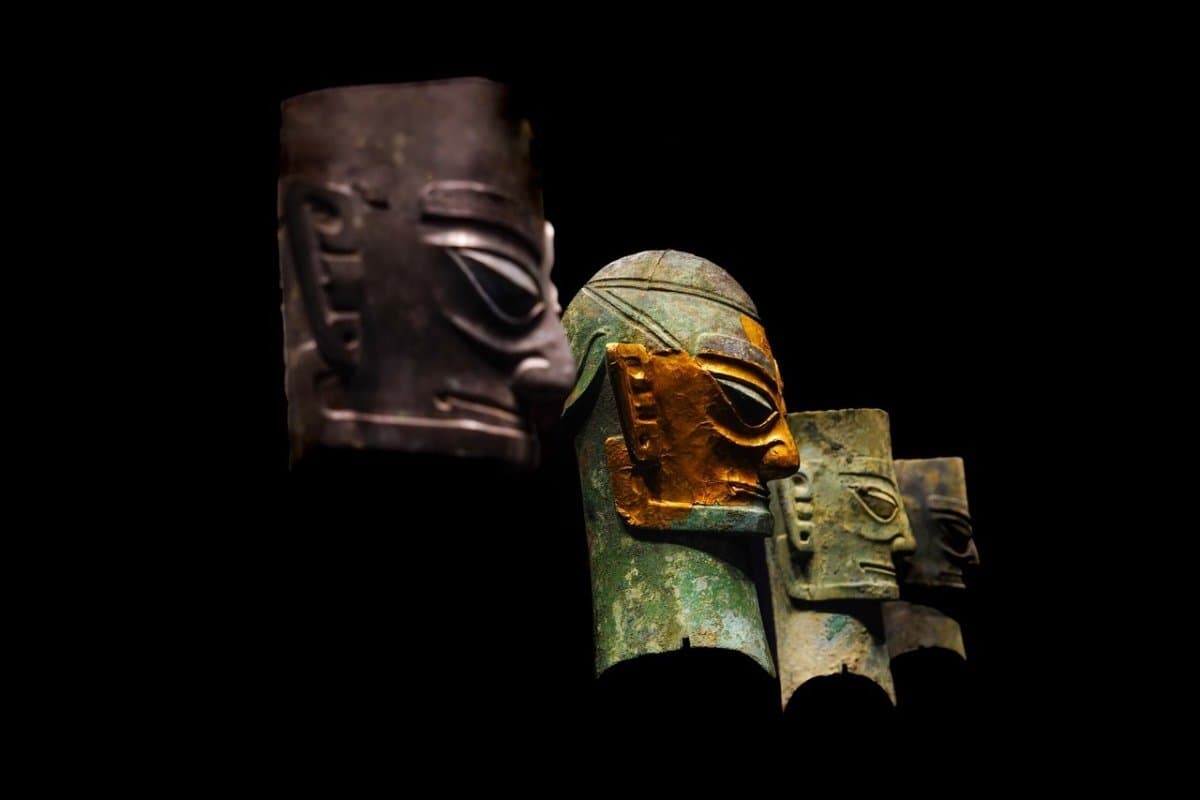
Sanxingdui tickets sell out fast — book via the official WeChat mini-program at least a week in advance. The museum is closed on Mondays. Allow at least 2.5 hours for a proper visit; rushing through would be criminal.
Into the Mountains: Wanglang Nature Reserve
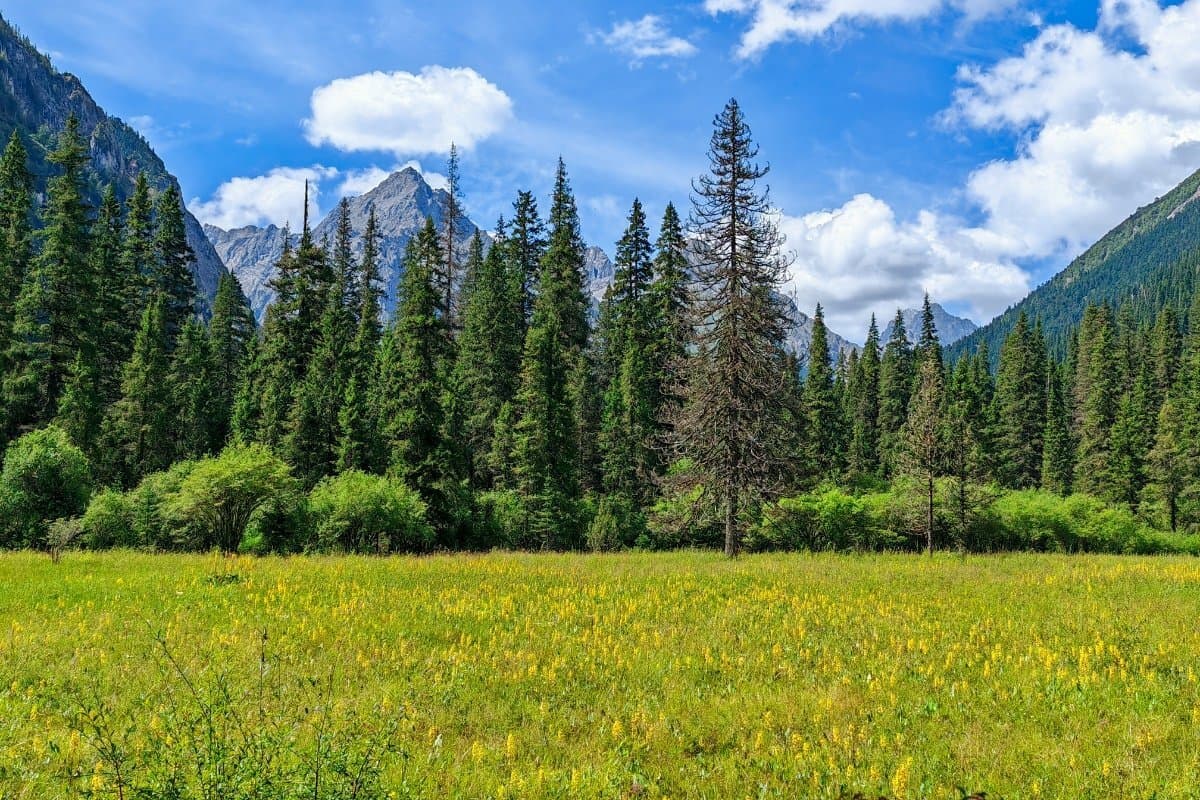
After Sanxingdui, we drove four hours north into the mountains. The landscape transformation was dramatic — the flat, agricultural Chengdu Plain gave way to rolling hills, then proper mountains with mist threading through the valleys. The new expressway cuts through the terrain on a series of tunnels and bridges that would make a Swiss engineer nod appreciatively. Wanglang National Nature Reserve sits at the edge of the Minshan mountain range, right in the heart of giant panda habitat. This is where some of the earliest wild panda research was conducted in China, and the forests here are genuinely primeval — towering conifers wrapped in moss, fallen trunks slowly decomposing into the forest floor, streams running clear over beds of smooth stone. The air smelled different. Cleaner, older, like breathing something that hadn't been recycled through a city. We arrived in the late afternoon and settled into the reserve's only accommodation — rustic wooden cabins tucked among the trees. Not luxury, but deeply atmospheric. After dinner in the communal lodge (local mountain food — stir-fried wild vegetables, braised pork, steaming rice), the forest ranger who'd be our guide for the next morning introduced himself. He'd been patrolling these mountains for seventeen years. "I know where the animals sleep," he said matter-of-factly. "And where they eat. And where they go when they don't want to be found."
Day 3: Walking with the Ranger — Then into the Animal Kingdom
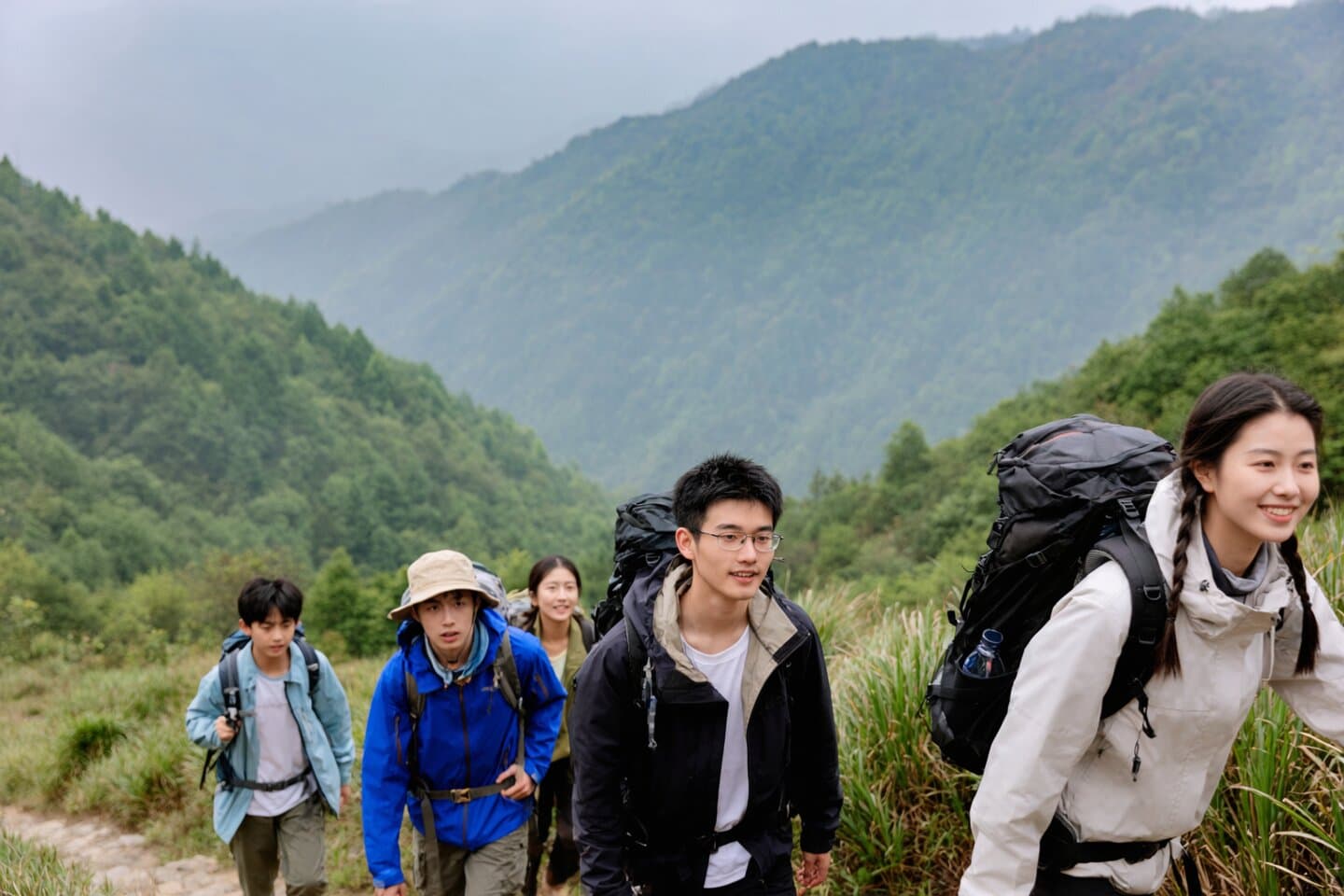
We set out at 7am, before the reserve opened to day visitors. The ranger led us along a narrow ecological trail that wound through different elevation zones — sub-alpine meadow, mixed conifer and broadleaf forest, dense bamboo groves. He stopped constantly to point things out: a scratch mark on a tree trunk left by a black bear, a pile of droppings that told him a tufted deer had passed through the night before, tiny orchids growing in the moss that most people would walk straight past. "This is not a zoo," he said at one point, crouching beside a stream to show us freshwater crab shells — evidence of an otter's meal. "In a zoo, the animals come to you. Here, you go to them. And most of the time, they decide whether you see them or not." We didn't see a wild panda — they're notoriously elusive — but we found fresh panda droppings with undigested bamboo fibres, and the ranger showed us where an infrared camera had captured a panda walking this exact path three nights earlier. The forest felt alive in a way that city parks simply don't. Every rustle, every bird call, every snapped twig was communication in a language I was only beginning to understand.
Tangjiahe: China's Premier Wildlife Safari
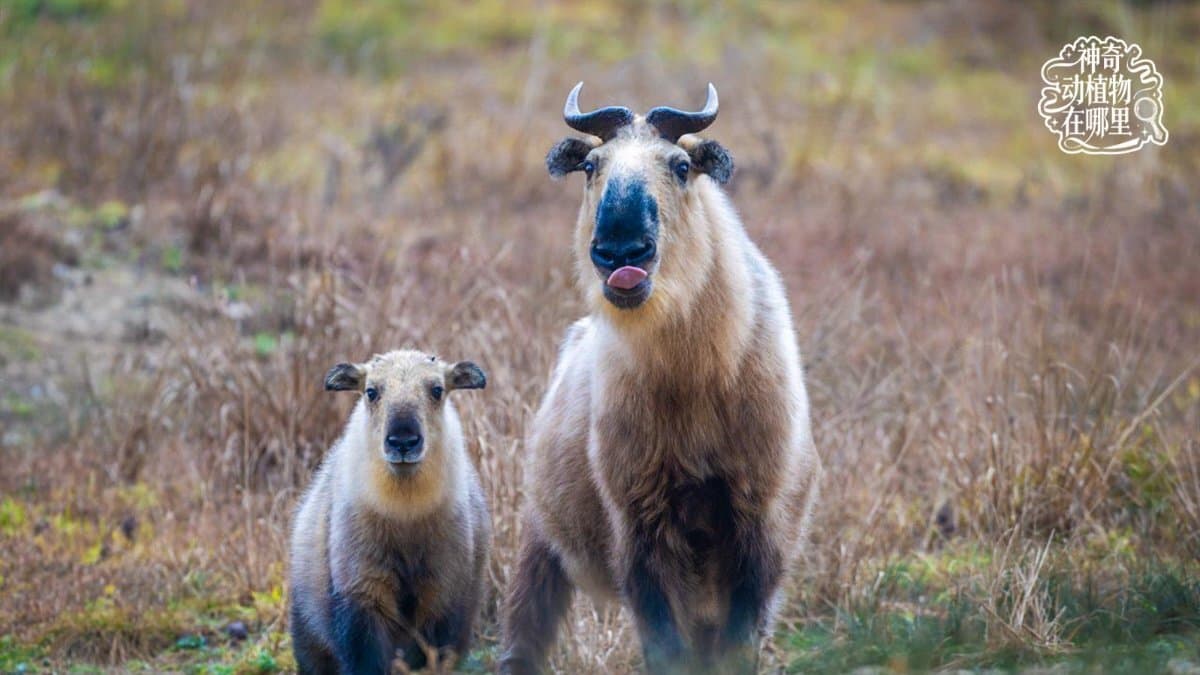
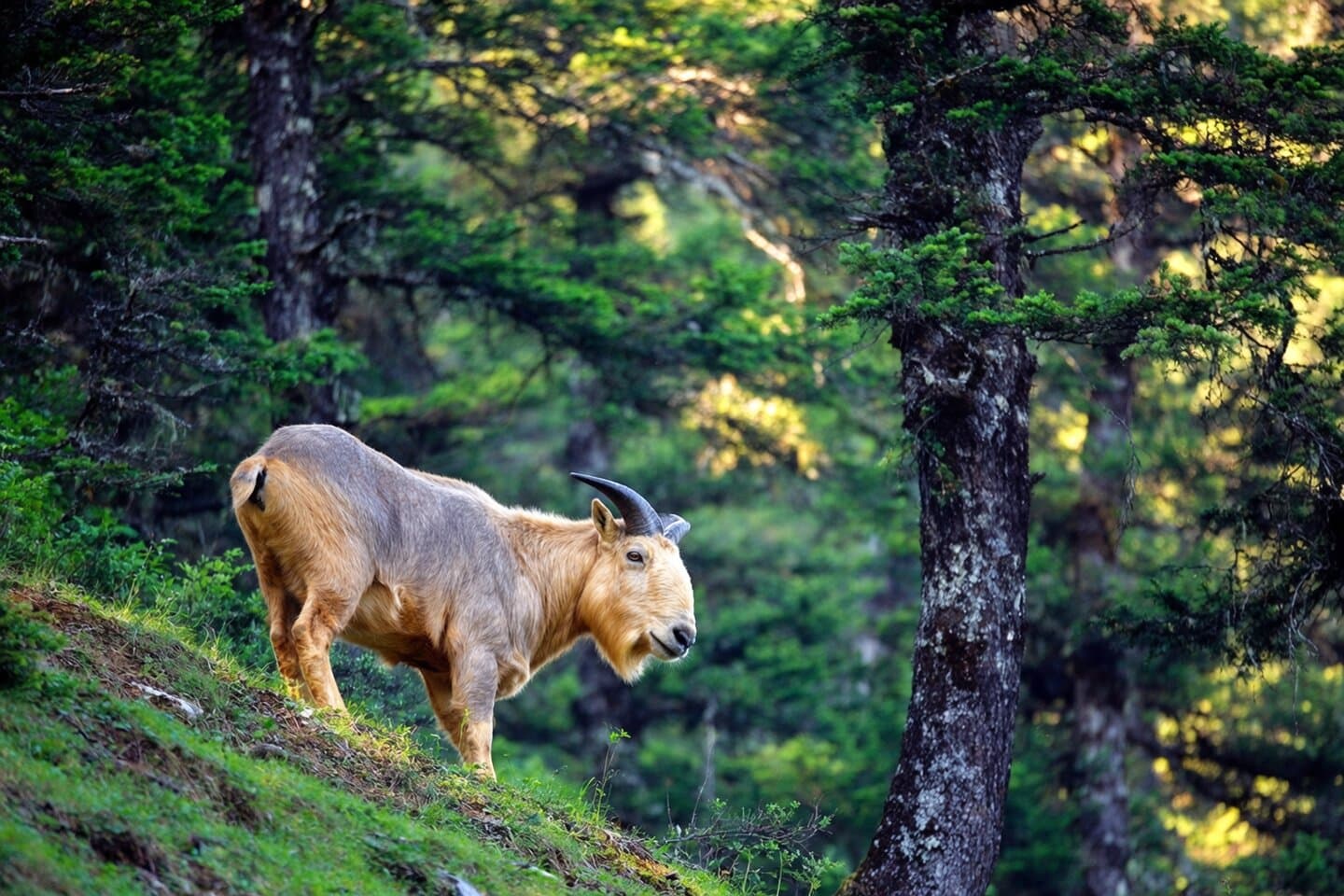
After lunch, we drove two hours southeast to Tangjiahe National Nature Reserve, and the character of the trip shifted dramatically. Where Wanglang was about forest ecology and quiet observation, Tangjiahe is China's answer to an African safari — except the stars aren't lions and elephants, they're golden takin, tufted deer, Sichuan golden snub-nosed monkeys, and wild boar. We loaded into our minibus and the ecologist guide took the wheel, driving slowly along the reserve's single mountain road. The technique was identical to a game drive in Kenya or Botswana: windows down, binoculars ready, eyes scanning the hillsides and valley edges. Within twenty minutes, I spotted my first takin — a massive golden-brown animal standing on a grassy slope about eighty metres away, utterly unbothered by our presence. Through binoculars, it looked like someone had crossed a muskox with a mountain goat and then given it the temperament of a particularly self-assured cow. Magnificent. Over the next two hours, we saw three more takin, a pair of tufted deer that froze at the roadside before bolting into the bamboo, and what the guide identified as Reeves's muntjac tracks in the mud. A Chinese goral appeared briefly on a distant cliff face. Every sighting was accompanied by a quiet, detailed explanation — behaviour, diet, population status, conservation challenges. This wasn't spectacle for its own sake; it was education wrapped in genuine wonder.
Find flights to Chengdu — your gateway to Sichuan's incredible wildlife reserves.
Prices compared via Trip.com. We may earn a commission at no extra cost to you.
Search FlightsThe Night Patrol: When the Forest Comes Alive
The highlight of Tangjiahe — and honestly one of the highlights of my entire year of travel — was the night patrol. After dinner at the reserve's lodge (comfortable, modern, and positioned so that takin sometimes wander past the entrance), we set out at 9pm with infrared night-vision gear and the ecologist guide. The forest at night is a completely different planet. Sounds amplify — every leaf rustle, every distant branch crack becomes loaded with meaning. The guide moved slowly, sweeping the night-vision scope across the undergrowth, and within ten minutes we had our first sighting: a leopard cat, its spotted coat glowing green through the infrared, padding silently along a stream bank. It paused, looked directly at us with reflective eyes, and continued on its way. Over the next hour and a half, we spotted a porcupine trundling through a clearing, two Reeves's muntjac frozen in a beam of infrared light, and — the moment that made everyone suppress a gasp — a Chinese serow standing motionless on a rocky outcrop, its dark silhouette sharp against the night sky. Nobody spoke above a whisper the entire time. The group communicated in glances and pointed fingers. It felt like being initiated into a secret world that operates in parallel to ours, every single night, while the human world sleeps. Before heading back, we helped the guide set up an infrared camera on a game trail — the same kind of camera that captures images of wild pandas, snow leopards, and other elusive species for ongoing research. "You probably won't appear on the camera," the guide joked. "But the animals will."
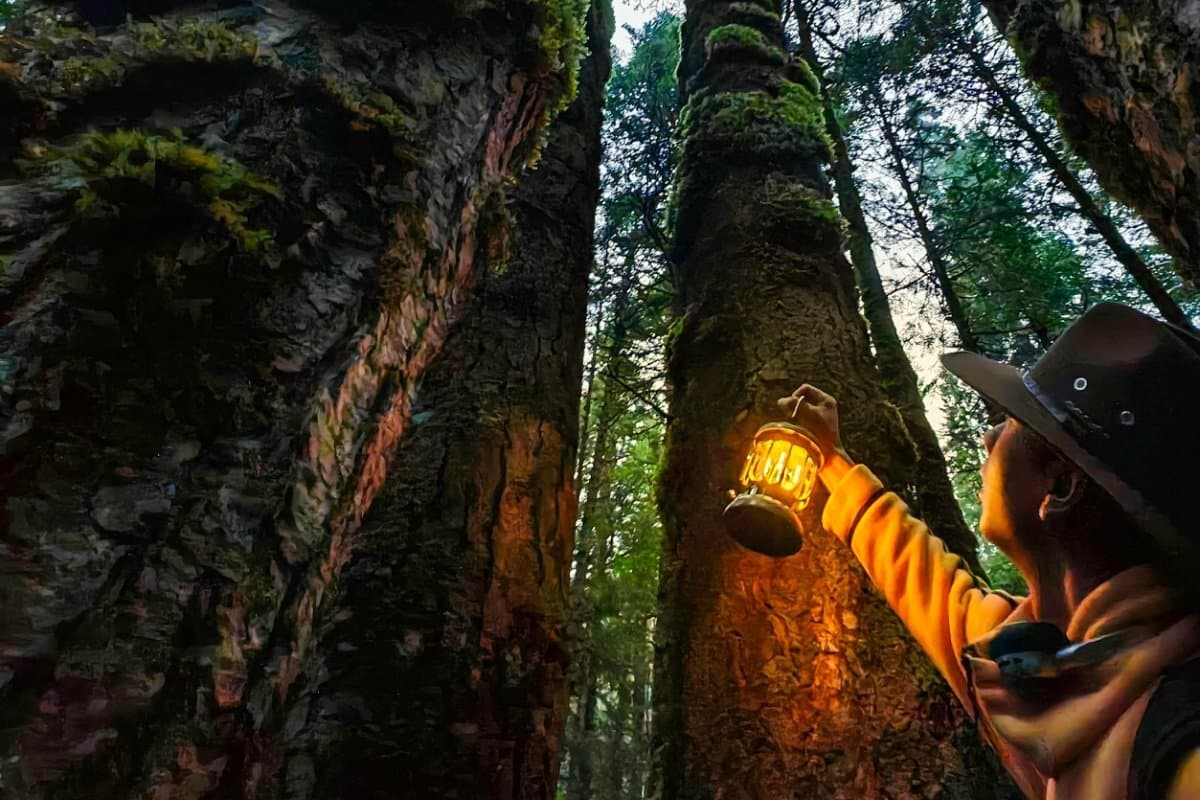
For the night patrol, wear dark, quiet clothing — no rustling windbreakers. Move slowly and follow your guide's signals exactly. The animals are accustomed to the patrol route, but sudden noise or movement will clear the forest in seconds.
Day 4: Nature Tracking, Then on to Dujiangyan
Morning in Tangjiahe started with what the guide called "nature identification training" — a structured walk through the forest learning to read animal signs. We found takin rub marks on tree bark, collected data from an infrared camera that had captured three animals overnight (a wild boar, a tufted deer, and something the guide was eighty percent sure was a Chinese black bear), and examined droppings to identify diet composition. It sounds academic, but in practice it felt like being a detective in a world where the suspects all have four legs and excellent camouflage. After lunch in the nearby ancient town of Qingxi — a quiet, atmospheric gateway settlement where the food is honest mountain fare — we drove four hours south to Dujiangyan. The scenery along the way transitions from wild mountains back to the irrigated plains that have fed Sichuan for two thousand years, ever since Li Bing built his extraordinary irrigation system. We checked into a genuinely lovely hotel and I fell asleep within minutes, my head still full of infrared images and forest sounds.
Day 5: Face to Face with the Pandas at Wolong
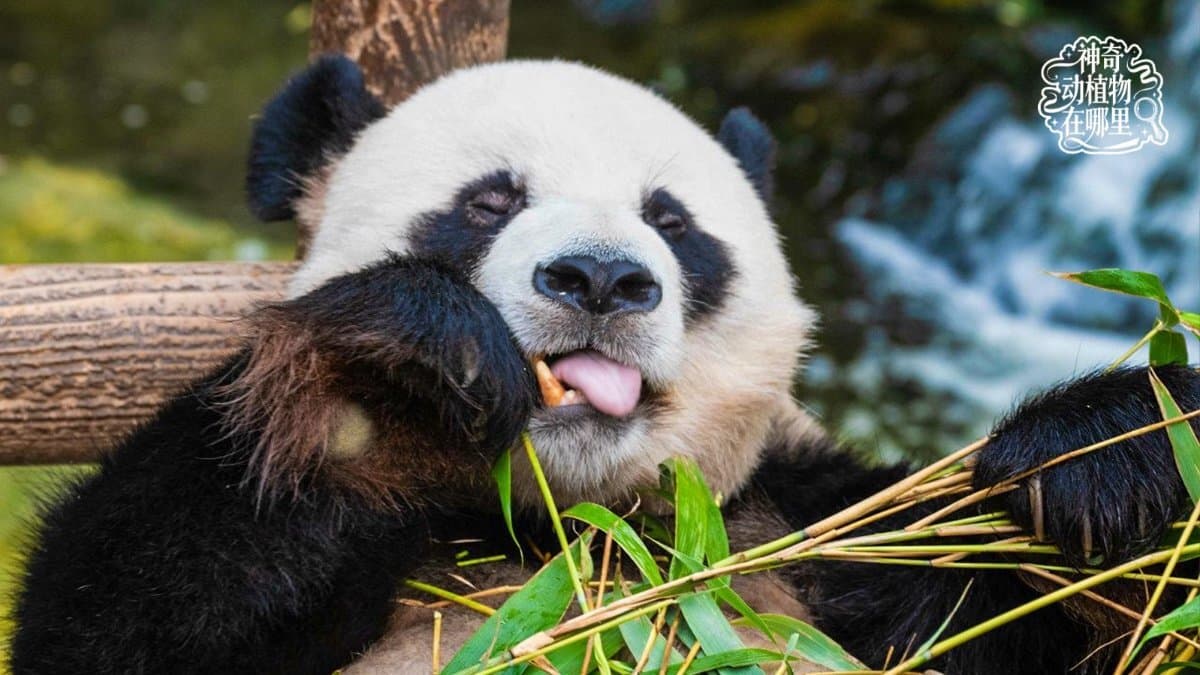
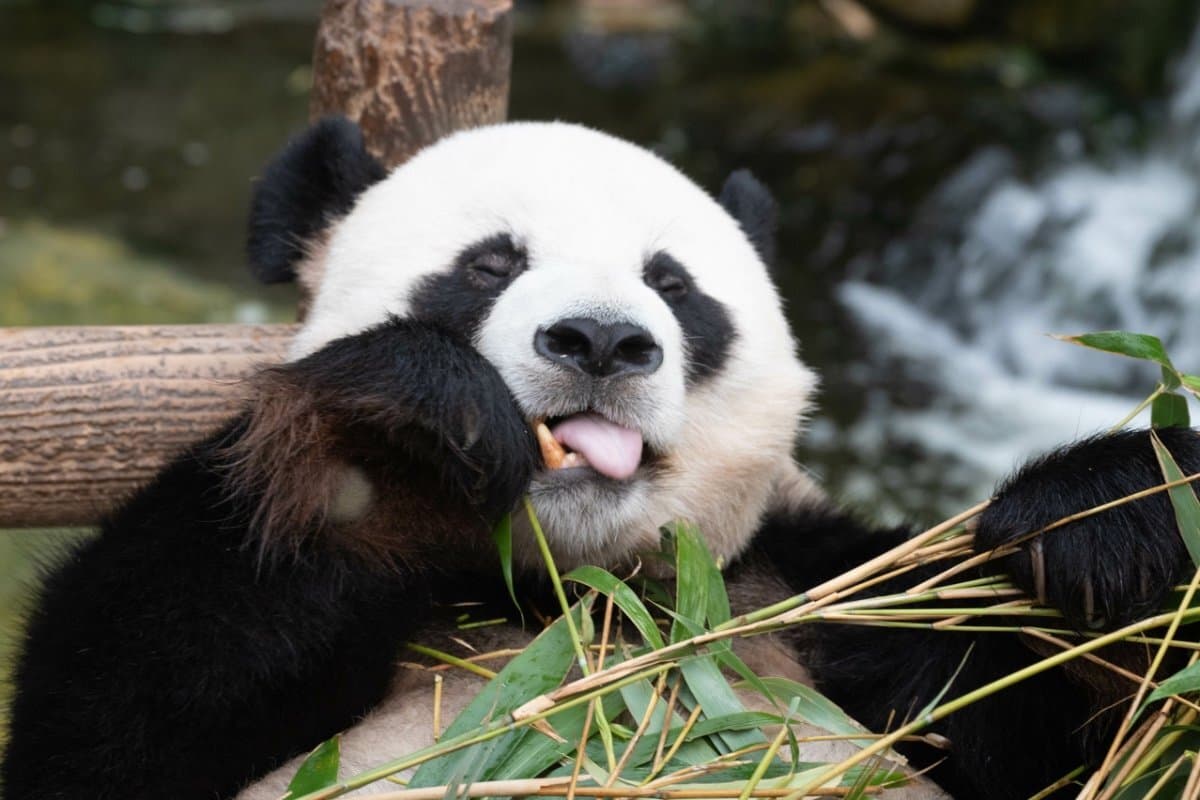
The final morning was the one I'd been waiting for. We drove an hour from Dujiangyan into the mountains to Wolong Shenshuping Panda Base — the most important giant panda conservation and breeding centre in China. This isn't the Chengdu Panda Base that most tourists visit; Wolong is the original research facility, deeper in the mountains, closer to actual panda habitat, and significantly less crowded. We arrived at opening time, when the pandas are at their most active. And I mean active — one was doing barrel rolls down a slope for absolutely no reason, another was wedged in a tree fork eating bamboo with the focus of a chess grandmaster, and a third was engaged in what I can only describe as aggressive napping, sprawled across a wooden platform with all four limbs pointing in different directions. Our guide was a panda keeper — an actual caretaker who works with these animals daily. She took us on a custom route through the base, timed to catch specific pandas at their feeding stations. The commentary was extraordinary: family histories, personality profiles ("that one's a biter"), breeding programme details, and the genuinely moving story of how the Wolong programme has brought the species back from the edge of extinction. We spent over two hours in the base, and I could have stayed all day. The star of the show was undeniably Fubao, the celebrity panda who returned to China from South Korea and has become something of a national icon. Watching her methodically strip a bamboo stalk with her pseudo-thumb — that weird wrist bone that functions like an opposable digit — I was struck by how different real pandas are from their cuddly toy image. They're powerful, deliberate animals with surprisingly intense eyes. Beautiful, yes, but also wild in a way that the plushie versions don't capture.
What This Trip Taught Me
I've done a fair bit of wildlife travel — East African safaris, Galápagos, Borneo's rainforest — and I'll say this directly: Sichuan belongs in that conversation. The biodiversity is staggering, the landscapes are dramatic, the infrastructure is excellent (comfortable hotels, good roads, expert guides), and the crowds are virtually non-existent compared to China's famous scenic spots. What elevated this trip beyond a standard nature tour was the expertise at every stage. The forest ranger in Wanglang who could read a hillside like a book. The ecologist in Tangjiahe who knew each takin by sight. The Sanxingdui lecturer who made three-thousand-year-old archaeology feel urgent and alive. The panda keeper at Wolong who teared up while talking about releasing captive-bred pandas into the wild. These aren't tour guides reading from a script — they're people who have devoted their careers to understanding and protecting these places, and their passion is infectious. The other thing that surprised me was the emotional weight of it. Sitting in the dark forest at night, watching a leopard cat hunt by infrared light, I felt something shift. A recalibration of scale. The forest was operating perfectly well without human intervention — had been for millions of years — and we were just visitors, briefly invited to witness something ancient and ongoing. It's the kind of perspective that's hard to find in a city, and increasingly rare in a world that's losing wild places at an alarming rate. Sichuan still has this. Protect it.
Practical Info: Planning Your Sichuan Wildlife Trip
Here's what you need to know if you want to do a similar trip: - **Best time to go:** April to June and September to November. Summer (July–August) is hot and rainy; winter brings snow to the reserves, which is beautiful but limits access. - **Getting there:** Fly into Chengdu Shuangliu (CTU) or Tianfu (TFU) airport. Both have excellent connections from all major Chinese cities and many international routes. - **Budget:** A five-day guided eco-tour of this type costs roughly ¥4,980–5,480 ($690–760) per person including all transport, accommodation, meals, guides, and entry fees. Not the cheapest option in China, but the value is exceptional — expert guides alone would cost more than this if hired independently. - **Group size:** Look for tours capped at 10–15 people. This keeps the environmental impact low and ensures everyone gets quality time with the guides. - **Fitness level:** Moderate. The forest walks involve some incline but nothing technical. The night patrol is on flat ground. The driving days are long (3–5 hours) but the minibus is comfortable. - **What to pack:** Layers (mountain weather changes fast), waterproof jacket, sturdy walking shoes, binoculars if you have them, headlamp, insect repellent, and a decent camera with a telephoto lens for wildlife shots. - **Sanxingdui tickets:** Book one week ahead minimum via the official WeChat mini-program. The museum is phenomenally popular and regularly sells out. The return journey drops you at Chengdu Shuangliu Airport around 4pm on the final day. Book an evening flight (6pm or later) to give yourself margin. If you're flying out of Tianfu Airport, add an extra 90 minutes for the transfer.
Cell service is patchy in the nature reserves. Download offline maps and any translation tools before leaving Chengdu. WeChat and Alipay work in towns but not inside the reserves — bring some cash for the small village stalls.
Compare hotels in Chengdu — a good base before and after your Sichuan wildlife adventure.
Prices compared via Trip.com. We may earn a commission at no extra cost to you.
Compare HotelsBook activities in Chengdu and Sichuan — panda tours, cultural experiences, and nature excursions.
Prices compared via ChinaCheapo. We may earn a commission at no extra cost to you.
Browse Activities